Best Egg Substitute for Cakes and Cupcakes – Light and Fluffy Texture!
Looking for the best egg substitute for cakes and cupcakes? While applesauce, mashed bananas, flax eggs, and commercial egg replacers are often recommended, I haven’t found them to produce the same light, fluffy texture as a traditional cake. That’s why I recommend something different (and easier) to substitute eggs in cakes and cupcakes. Grab this well tested method of using flour, baking powder, vinegar, and milk!
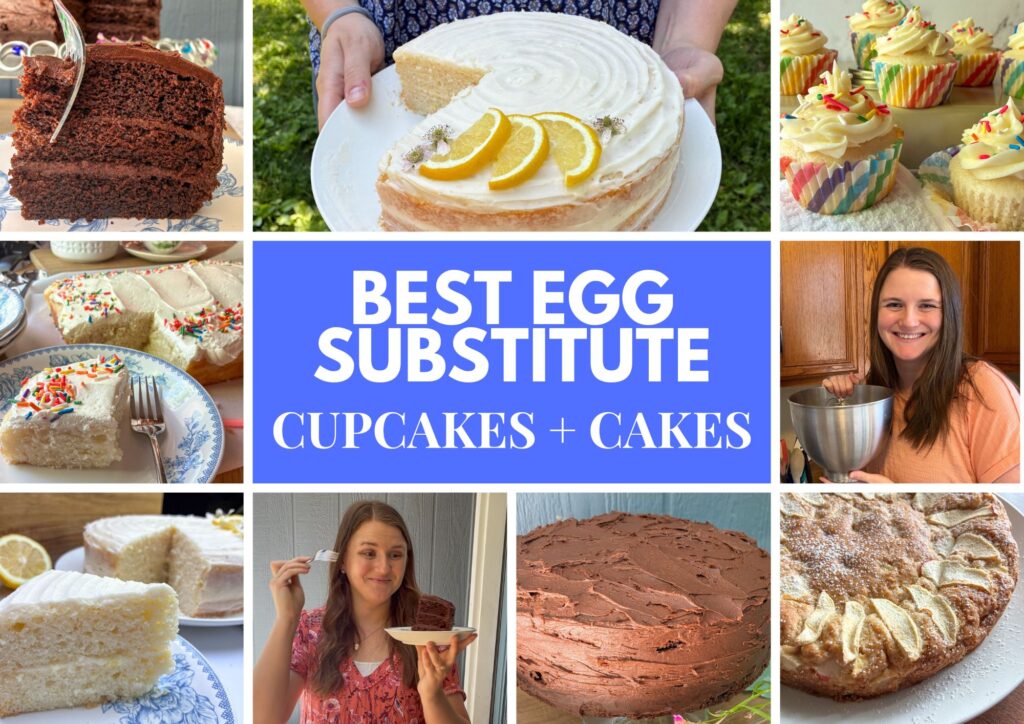
After years of developing and testing eggless cake recipes, I’ve found a simple combination of pantry ingredients that consistently produces soft, moist cakes with a tender crumb. The best part? You probably already have everything you need.
Quick Answer
For every egg removed, substitute:
2 tablespoons whole milk (30g)
2 tablespoons all-purpose flour (15g)
1/4 teaspoon baking powder
1/2 teaspoon apple cider vinegar (or white vinegar)
This combination replaces the moisture, structure, and lift that eggs normally provide, creating egg-free cakes and cupcakes that are soft, fluffy, and delicious.
Why This Egg Substitute Works
One of the biggest mistakes I see is assuming every baked good needs the same egg replacement.
Cookies, brownies, muffins, and cakes all rely on eggs differently. I have broken down the exact egg substitutes here on my complete egg substitute guide for baking.
Cakes and cupcakes need three things:
1. Moisture
Eggs help keep cakes soft and tender. Whole milk replaces that moisture while adding enough fat to keep the crumb rich instead of dry.
2. Structure
Egg proteins help support the cake as it rises. Without enough structure, cakes can sink in the middle or become crumbly. Adding a small amount of flour helps strengthen the batter so the cake holds together beautifully.
3. Lift
This is where many egg substitutes fall short. Eggs help cakes rise as they bake. Since we’re removing that lift, we replace it with baking powder and vinegar.
When all four ingredients work together, the finished cake tastes like a traditional homemade cake instead of an “egg free” version.
Egg Substitutes I Don’t Recommend for Cakes
These ingredients certainly have their place, but I don’t reach for them when making cakes.
Applesauce
Applesauce adds moisture but very little structure. Cakes often turn out heavier and denser than intended. This also results in an apple flavor. Now, if you are making an applesauce cake, then applesauce will be a great ingredient to use. If not, I recommend skipping it.
Mashed Bananas
Bananas work well in eggless banana bread because you actually want the banana flavor. In vanilla or chocolate cake, they noticeably change both the flavor and texture. You will have a denser cake with hints of banana.
Flax Eggs or Chia Eggs
These provide decent binding, but they create a denser crumb and can leave cakes slightly gummy and effect the taste producing a nutty flavor. Read more here on flax eggs and when I do recommend them.
Commercial Egg Replacers
While convenient, I haven’t had the best results in texture. I prefer using simple pantry staples as it produces a lighter and fluffier result in egg-free cakes and cupcakes.
Tips for Success
Even the best egg substitute won’t fix a few common baking mistakes:
1. Measure your flour correctly by spooning it into the measuring cup and leveling it off. Better yet – use a kitchen scale with gram measurements!
2. Once you add in the flour, mix the batter only until combined. Avoid overmixing.
3. Make sure your baking powder or baking soda is not expired.
4. If the recipe calls for softened butter, melted butter, or room temperature milk, be sure you use the right temperature ingredients.
5. Don’t substitute more than three eggs in a traditional recipe. If a recipe calls for four or more eggs, it’s usually better to find one that was developed specifically to be eggless.
FAQ
This substitute works well in many traditional cake and cupcake recipes that call for up to three eggs. I do NOT recommend it for sponge cakes, angel food cakes, cheesecake, Chiffon cake, or Meringue-based desserts. These recipes call for a large number of eggs and rely heavily on them for a successful recipe.
Yes. I only recommend this substitute on up to 3 eggs in a recipe. Anymore, and I recommend to find a recipe specifically designed to be egg-free.
No. Since this substitute uses neutral ingredients, it doesn’t leave behind fruity or nutty flavors like some other egg replacements.
Allergy-Friendly Swaps
Dairy-Free: Use almond milk, oat milk or soy milk.
Gluten-free: Use a 1:1 gluten-free baking flour blend such as King Arthurs.
My Favorite Eggless Cakes and Cupcakes
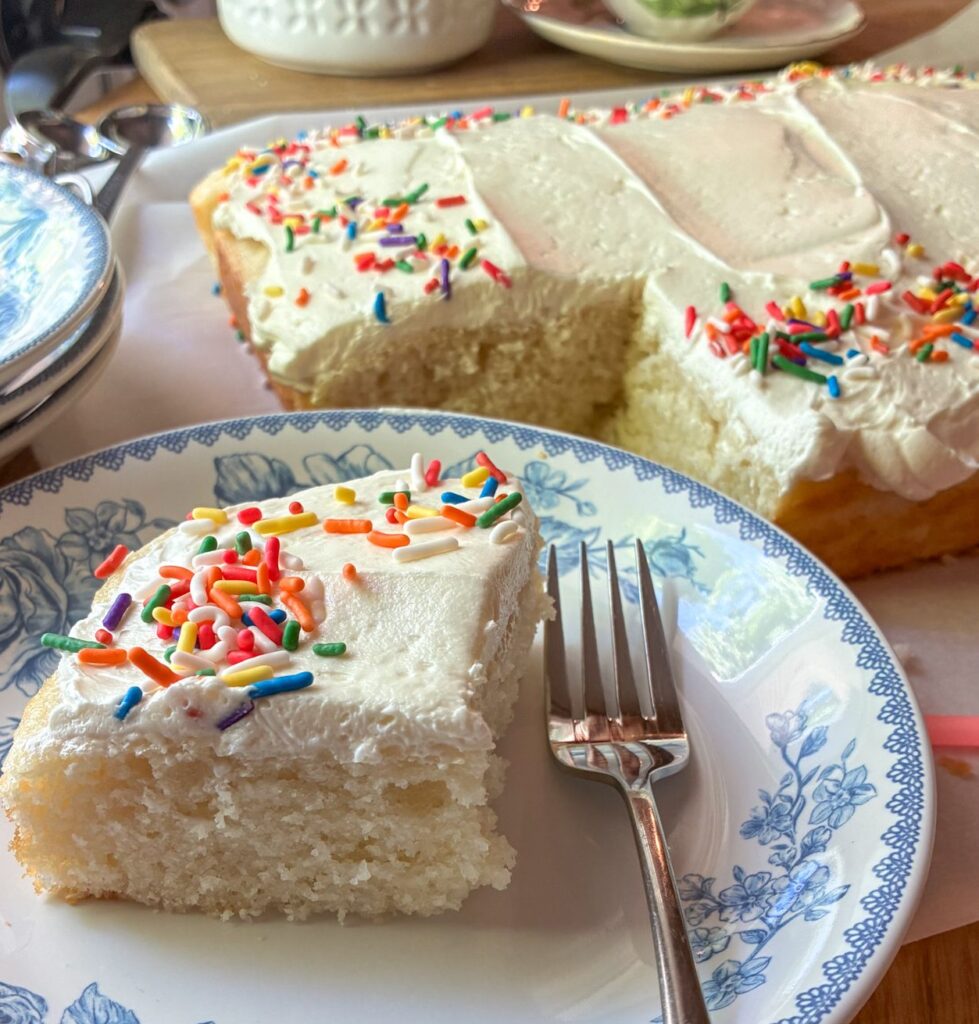
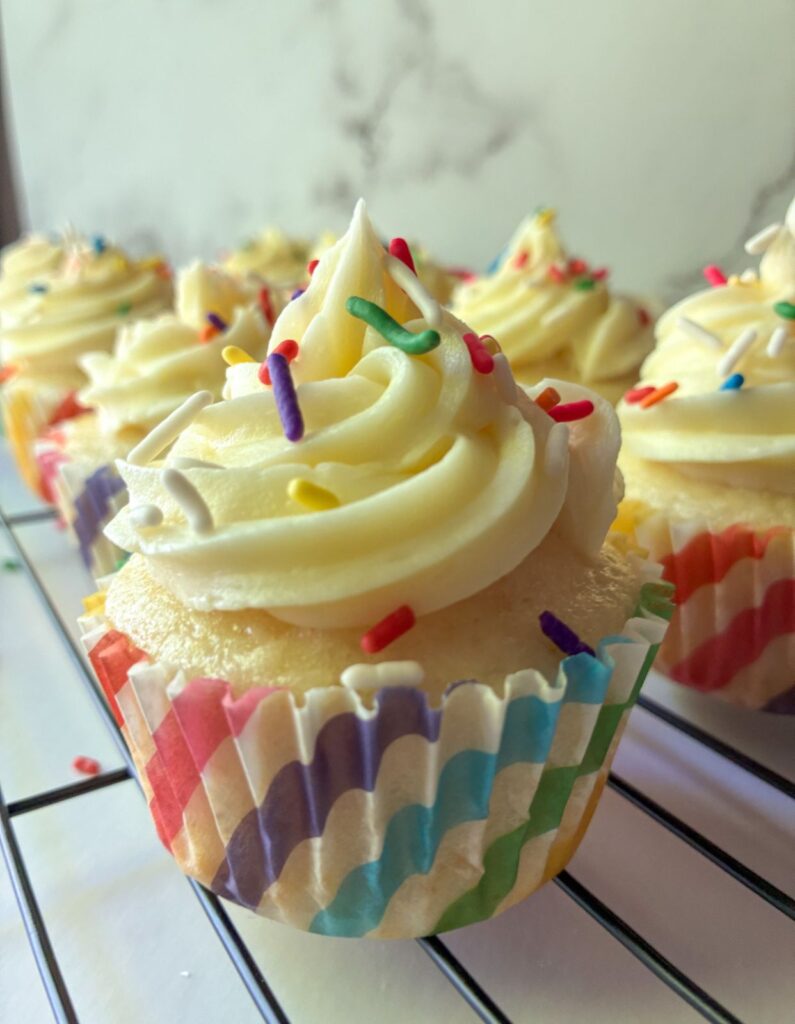
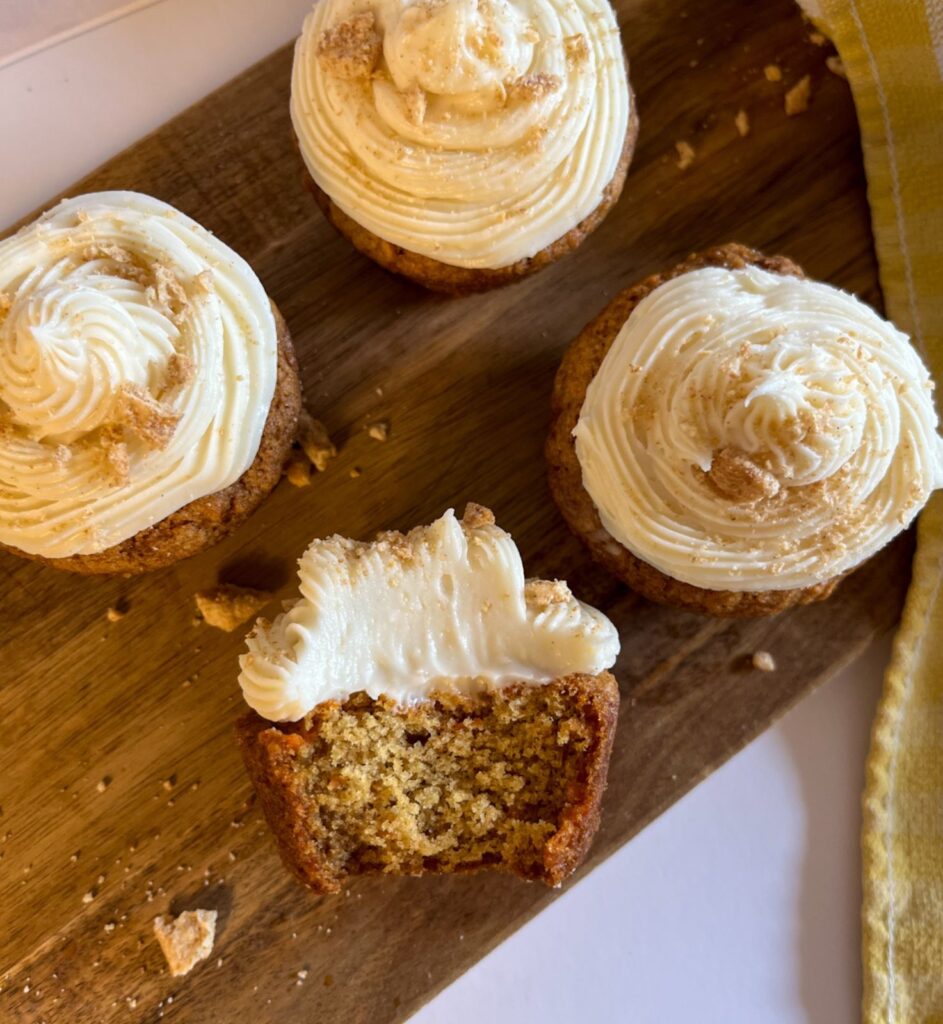
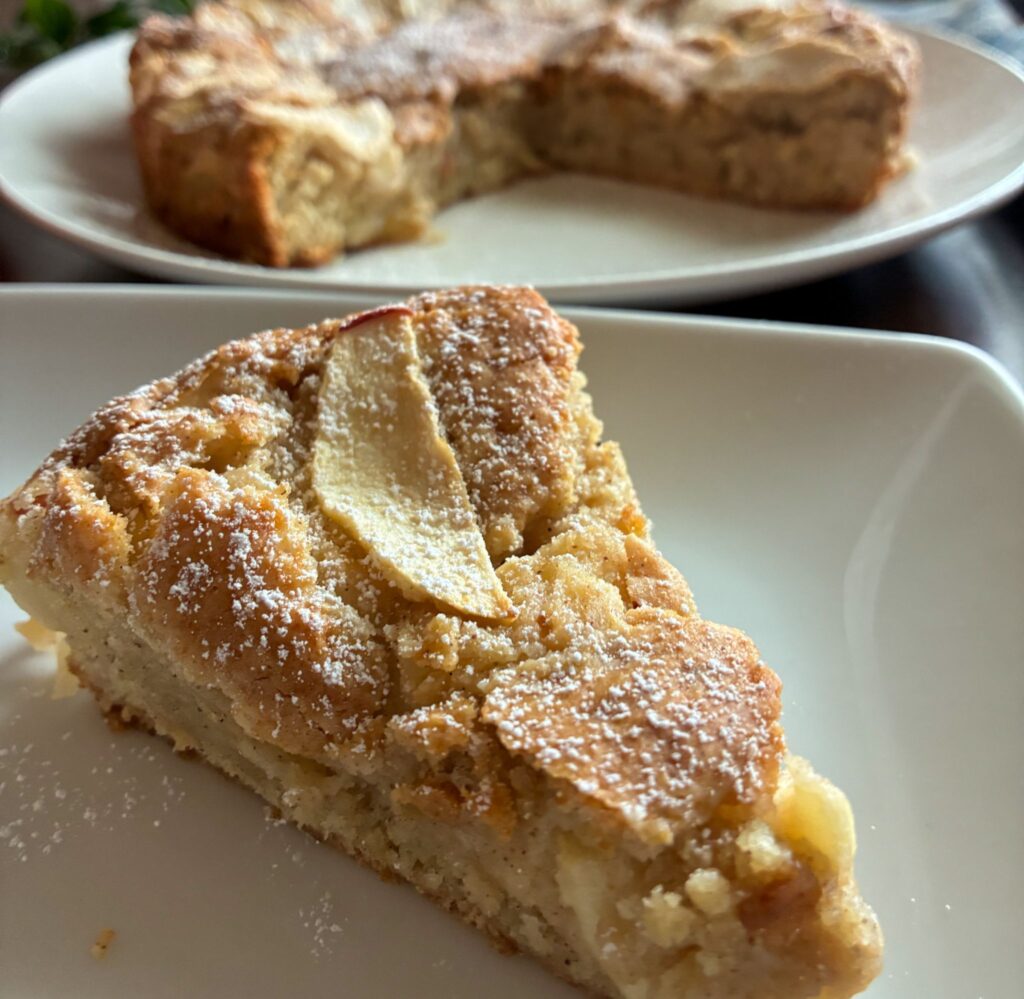
I love having this egg substitute on hand for treasured family recipes that have been passed down through generations or for a last-minute request when one of my kids wants a special dessert. It’s a simple way to adapt many traditional recipes without sacrificing great results.
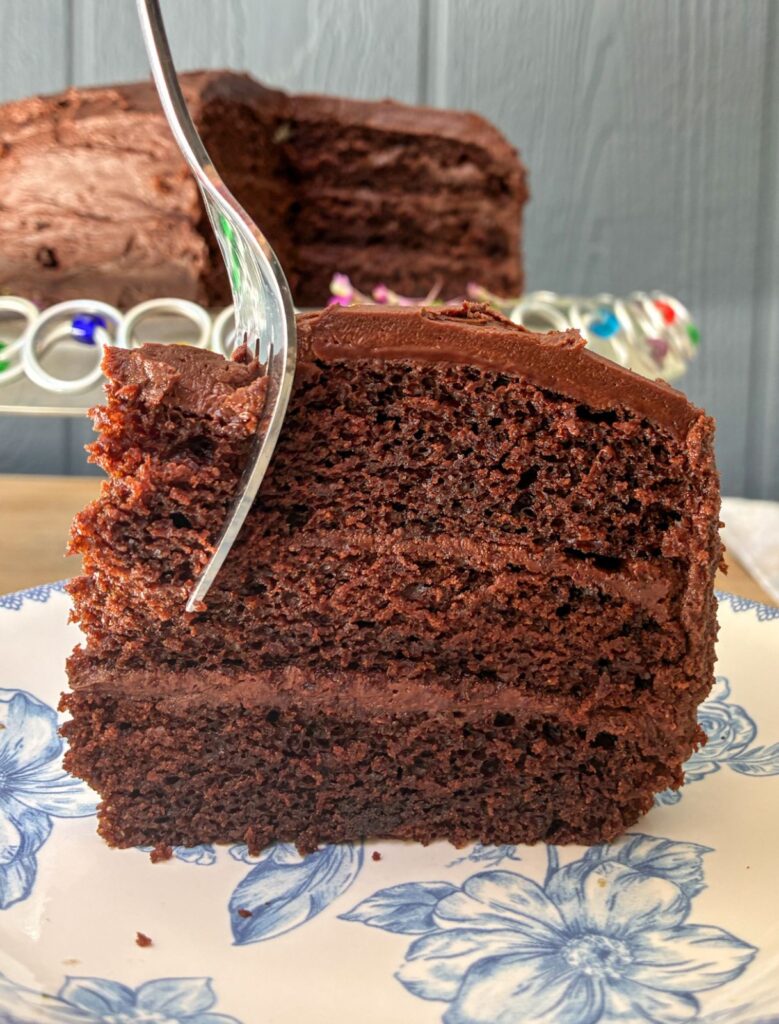
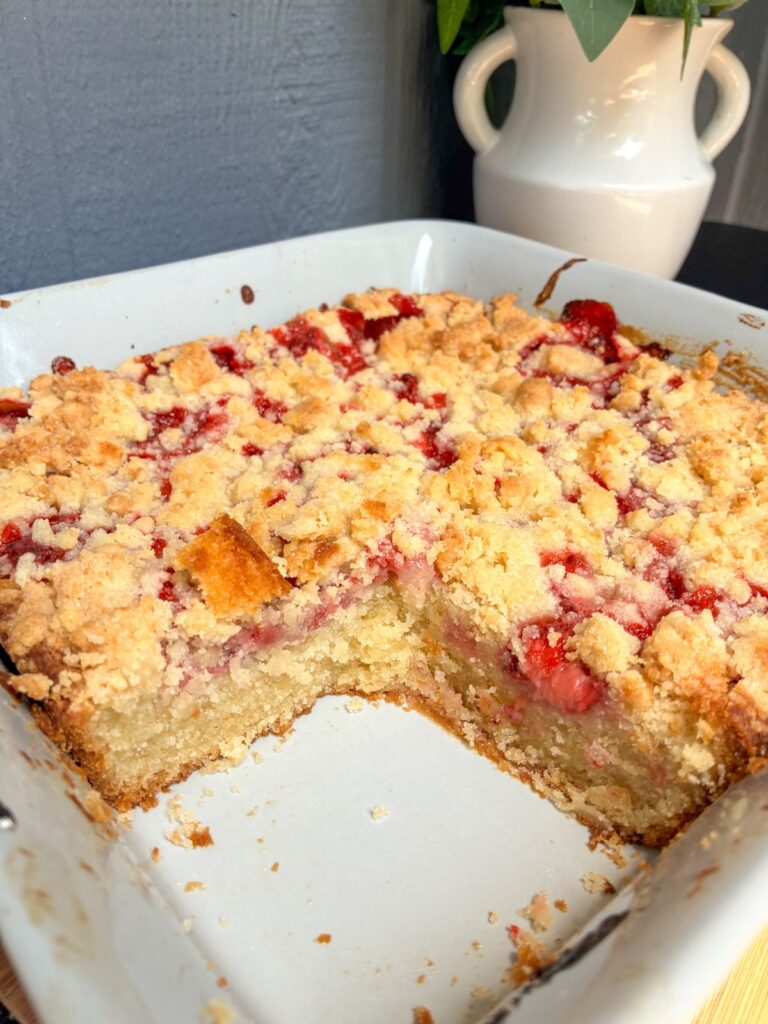
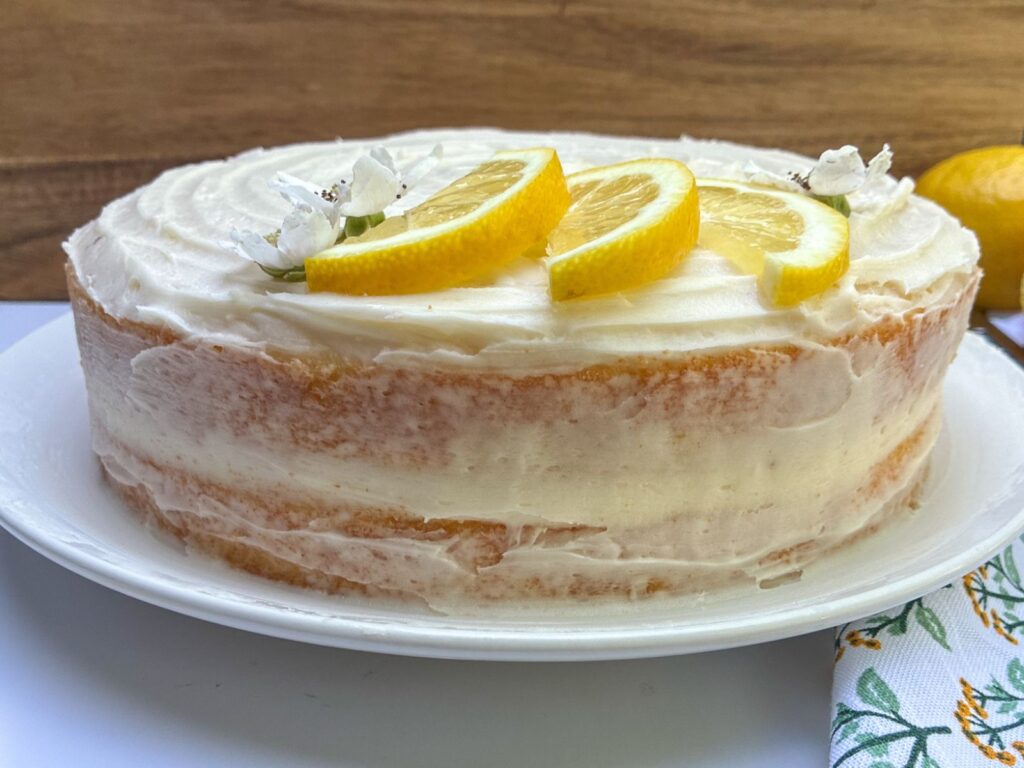
That said, I always recommend using recipes that have been specifically developed and tested to be egg free whenever possible. These eggless cake and cupcake recipes were created from the ground up without eggs, so there’s no guesswork and no substitutions needed. You’ll get soft, fluffy, delicious results every time.
Final Thoughts
Making cupcakes and cakes without eggs is absolutely possible! You don’t need typical egg substitutes or a 1 size fits all approach. With some typical fridge and pantry staple ingredients you are good to go. I am cheering you on! Baking in general can be intimidating but start with 1 recipe and make it until you master it. Then move on to the next one. Before you know it, you’ll be an expert home baker!