Best Egg Substitute for Baking Cookies
Looking for the best egg substitute for cookies? My answer is not flax eggs or applesauce. After years of testing eggless cookie recipes, I’ve found a simple substitute that creates soft, chewy cookies without changing the flavor or texture.

When people search for an egg substitute for cookies, they usually hear the same suggestions over and over: flax eggs, chia eggs, pumpkin puree, applesauce, and more.
Now, can these work? Absolutely.
But are they always the best choice? My answer is no.
The problem with a one-size-fits-all approach is that every substitute changes the cookie in a different way. Eggs do more than just add moisture. They help with structure, richness, binding, and texture.
For example:
- Applesauce can add moisture but may leave behind a noticeable apple flavor and create a softer, mushier texture.
- Flax eggs can help bind ingredients together but may add a slightly nutty flavor and a different texture.
- Pumpkin puree can bind and add moisture, but it will leave a fall pumpkin flavor in your cookies.
When I am making eggless cookies, I want the cookie to still taste like a classic cookie. No one should take a bite and think, “It tastes different.”
Best Egg Substitute for Cookies
I’ve spent years developing eggless cookie recipes from classic chocolate chip cookies to sugar cookies, and oatmeal cookies, and this is the substitute I reach for most often.
To make eggless cookies, I recommend for every egg removed, add 2 ½ tablespoons of whole milk (38g) or plain whole milk yogurt. This adds the needed moisture and fat content to the cookies. It also allows the dried ingredients to bind together.
Best Egg Substitute
For every one egg removed use: 2 ½ tablespoons of whole milk (38g) or plain whole milk yogurt
This simple swap works as an egg replacement for cookies because cookies typically do not need the same amount of structure as cakes or muffins. Instead, eggs are mainly helping provide moisture, fat content, richness, and binding.
Adding whole milk helps replace that lost moisture while the fat from the milk helps create a tender, flavorful cookie. It also gives the dry ingredients enough moisture to come together without changing the flavor of your favorite cookie recipe.
No flax. No chia. No applesauce. Just a simple ingredient you probably already have in your fridge.
Eggless Cookie Recipes (and why I recommend them)
Using a recipe specifically designed and tested to be egg-free can make all the difference. Yes, you can absolutely use this egg substitute in a family favorite cookie recipe, but sometimes the best results come from a recipe that was created without eggs from the very beginning.
I highly recommend trying one of my well-tested, family-loved eggless cookie recipes from the blog!
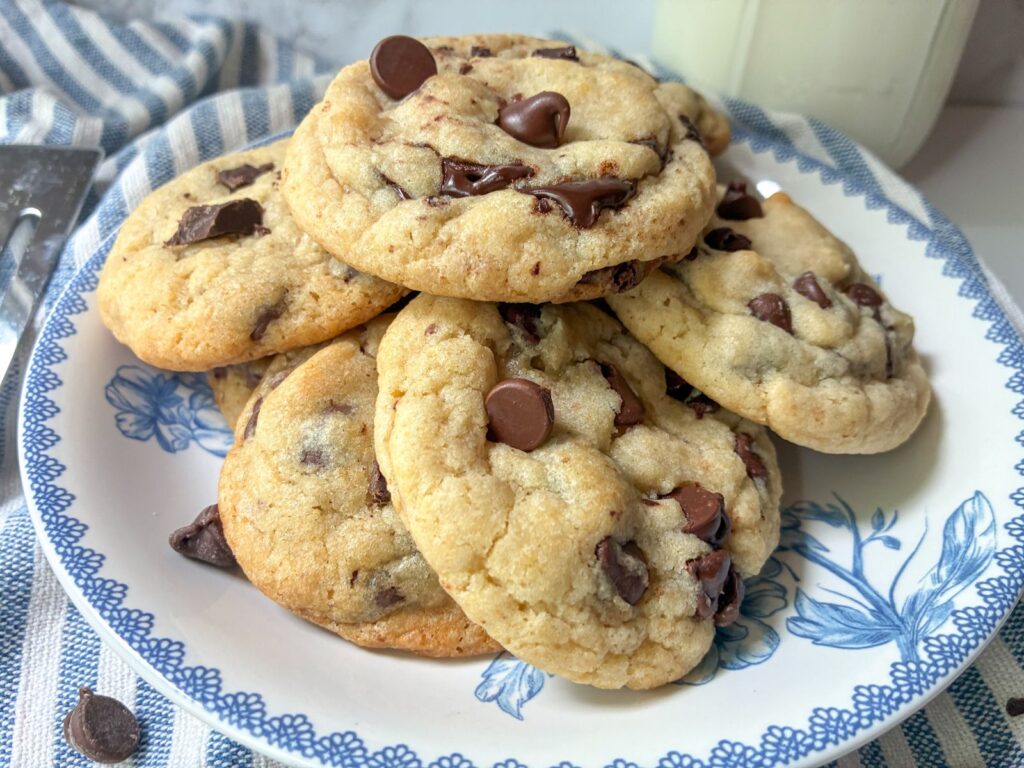 Eggless Chocolate Chip Cookies
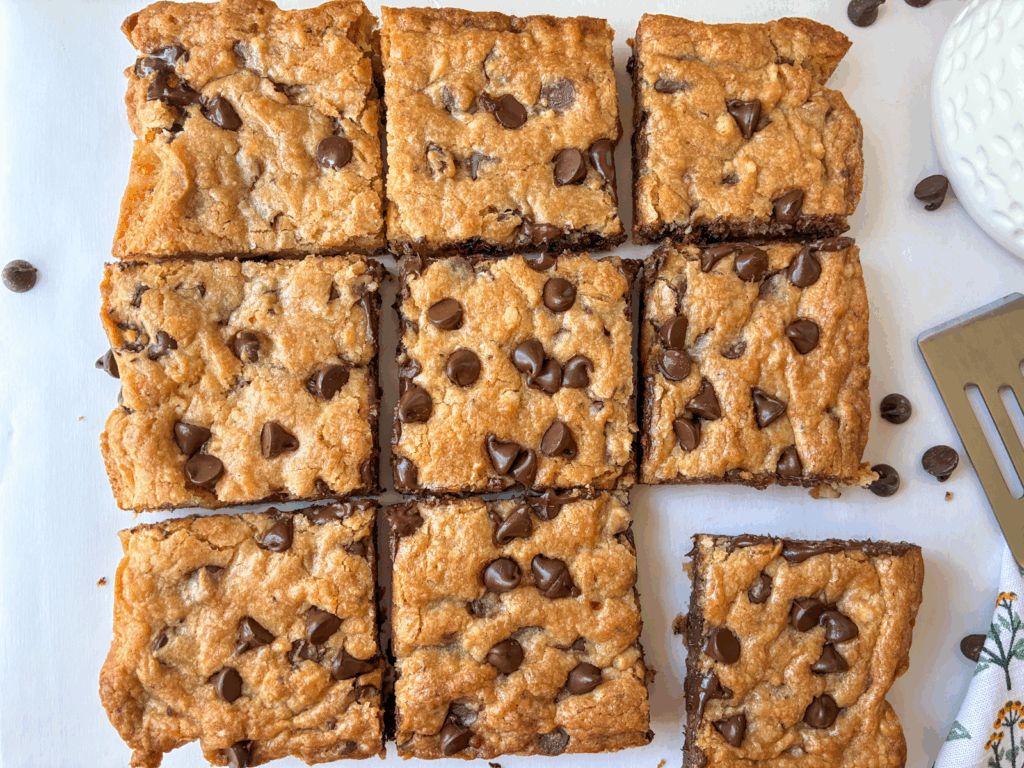 Eggless Chocolate Chip Cookie Bars
 Eggless Cut-Out Sugar Cookies
 Eggless Molasses Cookies
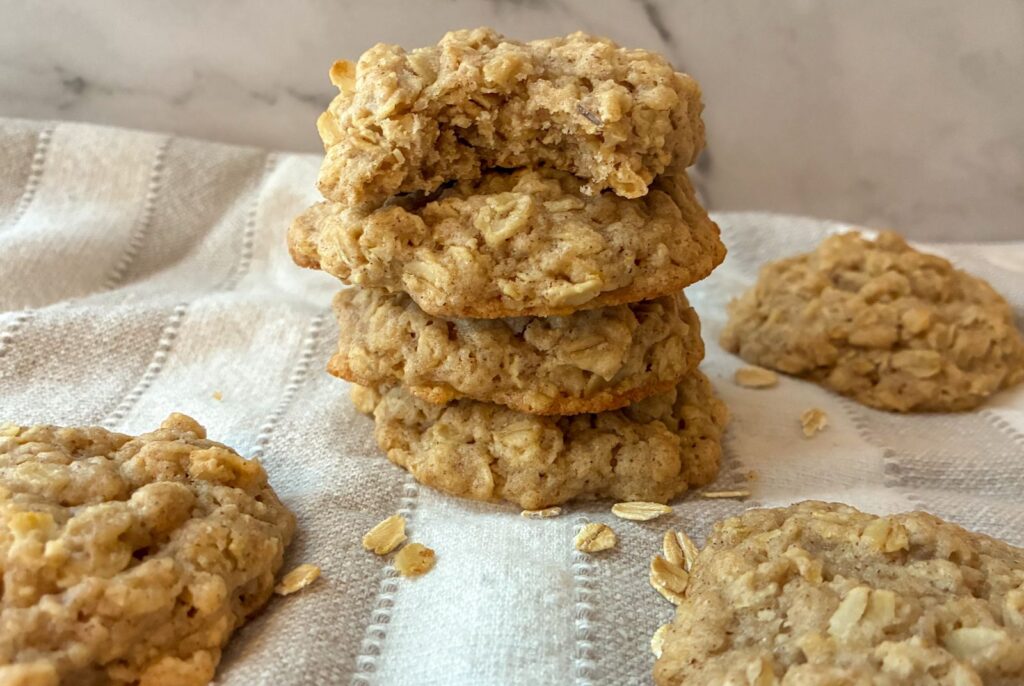 Eggless Oatmeal Cookies
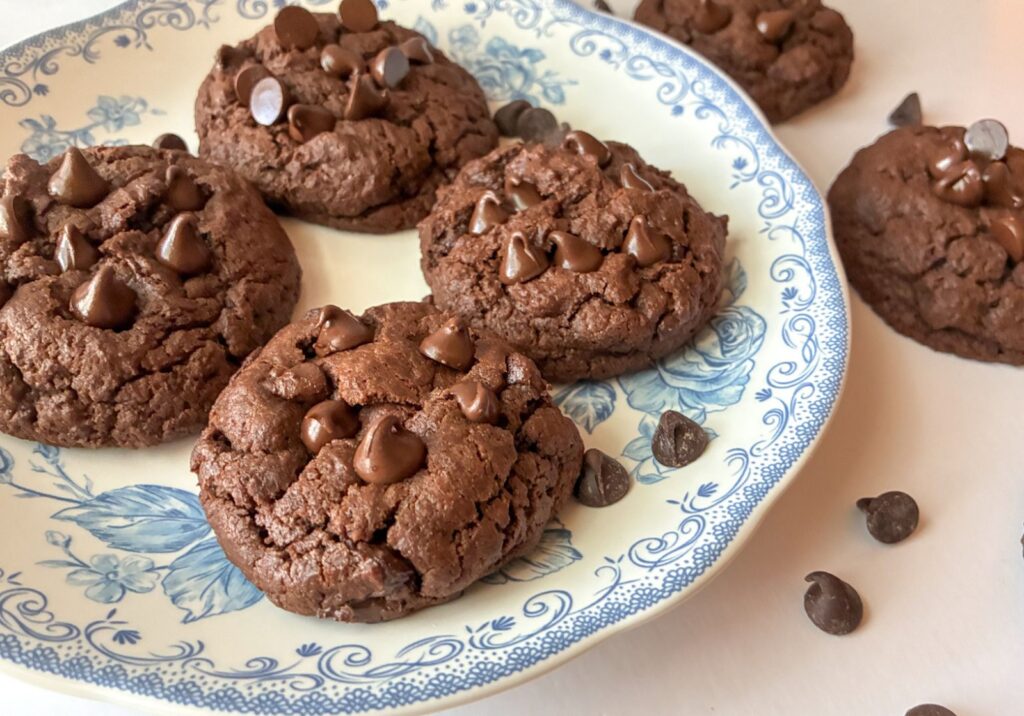 Eggless Double Chocolate Cookies
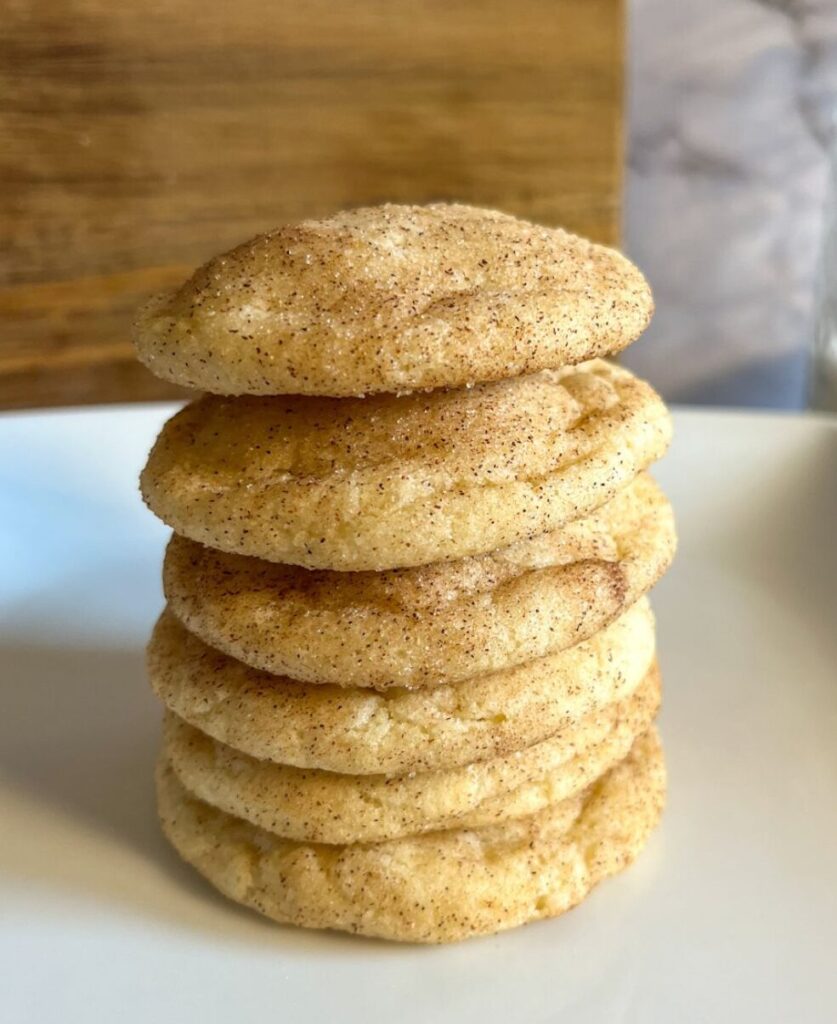 Eggless Snickerdoodle Cookies
 Eggless Sugar Cookies
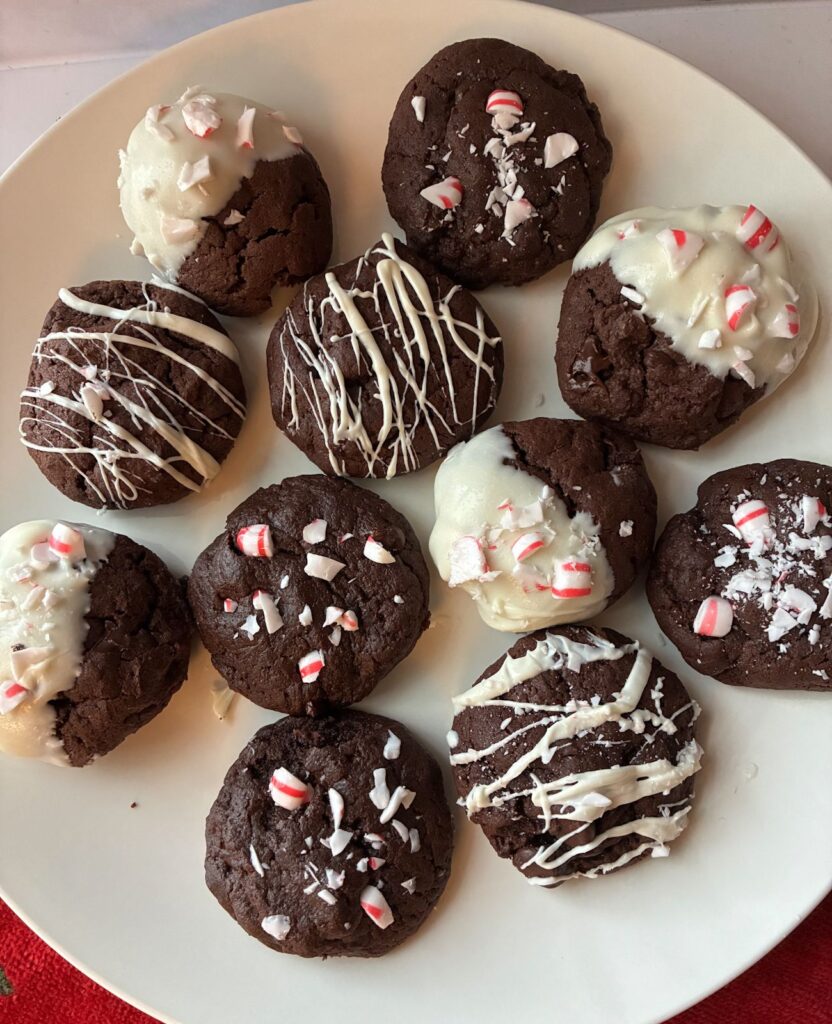 Eggless Peppermint Cookies
Why Does Milk Work as an Egg Substitute in Cookies?
Eggs are made up of water, fat, and proteins. In cookies, they help:
- Add moisture
- Help ingredients bind together
- Create a soft texture
- Add richness and fat content
When removing an egg, we need to replace those functions.
When baking cookies without eggs, whole milk helps add back the moisture and fat that the recipe loses when the egg is removed. Since most cookie recipes already contain flour, butter, and sugar, a simple milk replacement is often enough to create a delicious cookie.
Allergy-Friendly Swaps
If you can’t have dairy – then use a dairy-free milk. My top 3 recommendations include oat milk, almond milk, or soy milk. You could also use a plain vegan yogurt.
Can I Use Yogurt Instead of Milk?
Yes! Plain whole milk yogurt OR plain Greek-style yogurt can also work as an egg substitute for cookies.
For every egg removed, use: 2 ½ tablespoons of plain whole milk yogurt or plain Greek-style yogurt.
Yogurt adds moisture and fat while also helping bind the ingredients together.
What About Eggless Cut-Out Sugar Cookies?
Cut-out sugar cookies are a little different.
When making cookies that need to be rolled out, cut into shapes, and decorated, structure becomes much more important. You need a dough that holds its shape while baking. I also recommend baking your cut-out sugar cookies on parchment paper as this helps prevent spreading.
👉 Try my Eggless Cut-Out Sugar Cookies
They are soft, hold their shape, and are perfect for decorating.
Can I use this substitute in other baked goods?
Looking for a substitute for other desserts? See my complete guide to egg substitutes in baking for how to substitute eggs in brownies, cakes, cupcakes, muffins, and more!
Top Tips for Baking Cookies
Do not overbake: Remember that cookies continue to bake a bit while they cool on the pan.
Shape the cookies: If you want perfectly round cookies, place a cup or bowl (slightly larger than the cookie) upside down over the warm cookie. Gently spin it in a circular motion so the rim helps shape the edges into a perfect circle.
Final Thoughts
Making cookies without eggs does not mean settling for cookies that are dry, crumbly, or have a different flavor.
The why I recommend the best egg substitute for cookies being: whole milk.
No running from store to store for looking for a weird ingredient you will rarely use. It keeps the flavor you love, uses ingredients you already have, and creates cookies that taste like the real thing.